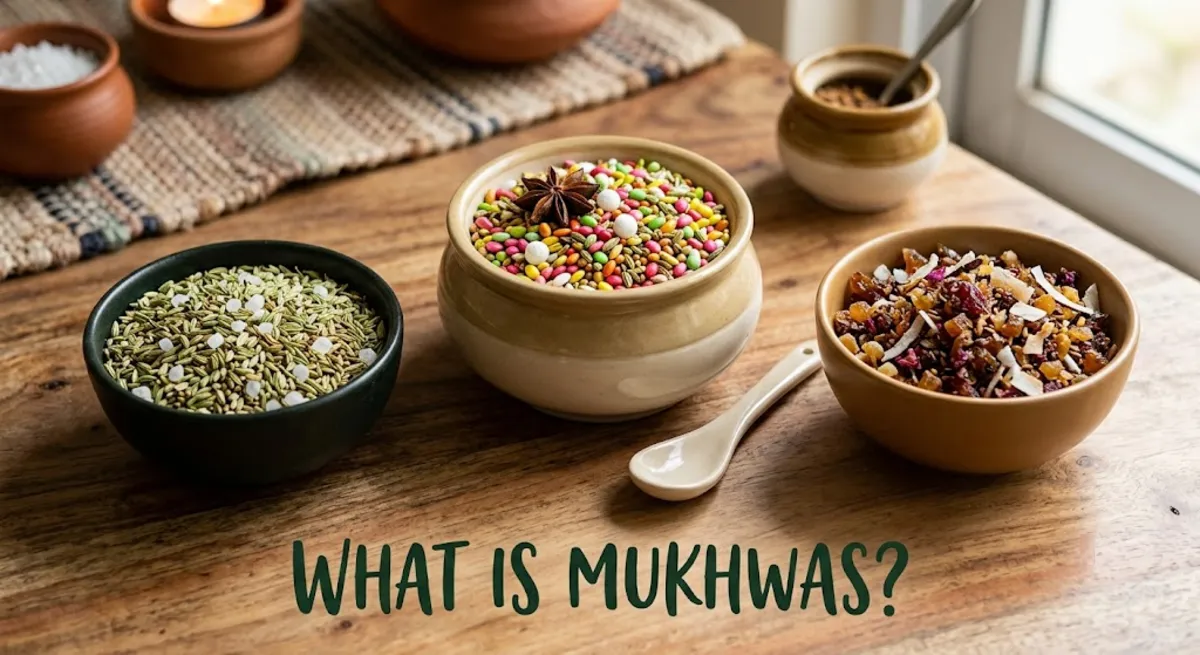
- Mukhwas is a traditional Indian after-meal blend of seeds, herbs and spices served to freshen breath and settle heavy meals.
- The name joins two words: mukh, meaning mouth, and vas, meaning fragrance, reflecting its long place in Indian hospitality.
- Fennel, sesame, coriander, ajwain and flax form the backbone of most blends, while coconut, rose petals and dates add sweetness.
- Areca nut, or supari, appears in many commercial mixes despite the IARC classifying it a Group 1 human carcinogen.
- Check ingredients, colour, coating and licensing before buying, because “mouth freshener” on a label is not a regulated guarantee.
Mukhwas is a traditional Indian mouth freshener made from roasted seeds, herbs and spices, eaten in small pinches after meals to freshen breath and ease a full stomach. The name comes from Sanskrit: mukh means mouth, vas means fragrance. Most blends centre on fennel, sesame and coriander seeds.
Walk into almost any Gujarati home after dinner and a small steel bowl arrives on the table. That habit is older than packaged food itself. Yet the tin sold as mukhwas in most shops today has drifted a long way from what our grandmothers actually made. Blending by hand in Surat taught us something uncomfortable: the ingredient most shoppers assume is harmless is the one dentists warn about most. This guide separates the tradition from the marketing.
What Is Mukhwas?
Mukhwas is an after-meal mixture of seeds, herbs and spices, served in small quantities to freshen the breath and settle digestion. It sits at the end of a meal the way coffee sits at the end of a Western one: a ritual, not a course. The word itself is descriptive rather than poetic. Mukh means mouth. Vas means fragrance or smell. Together they name exactly what the mixture does.
Meanwhile, across Gujarat, Rajasthan and North India, offering mukhwas to a guest signals that the meal is complete and the host has thought about their comfort. For example, restaurants keep a bowl by the exit. Similarly, households keep a jar on the dining table. Weddings hand it out in small pouches. Because the custom is so ordinary, few people ever read what is in the jar.
That gap between habit and attention is where the problems start.
What Mukhwas Is Actually Made Of
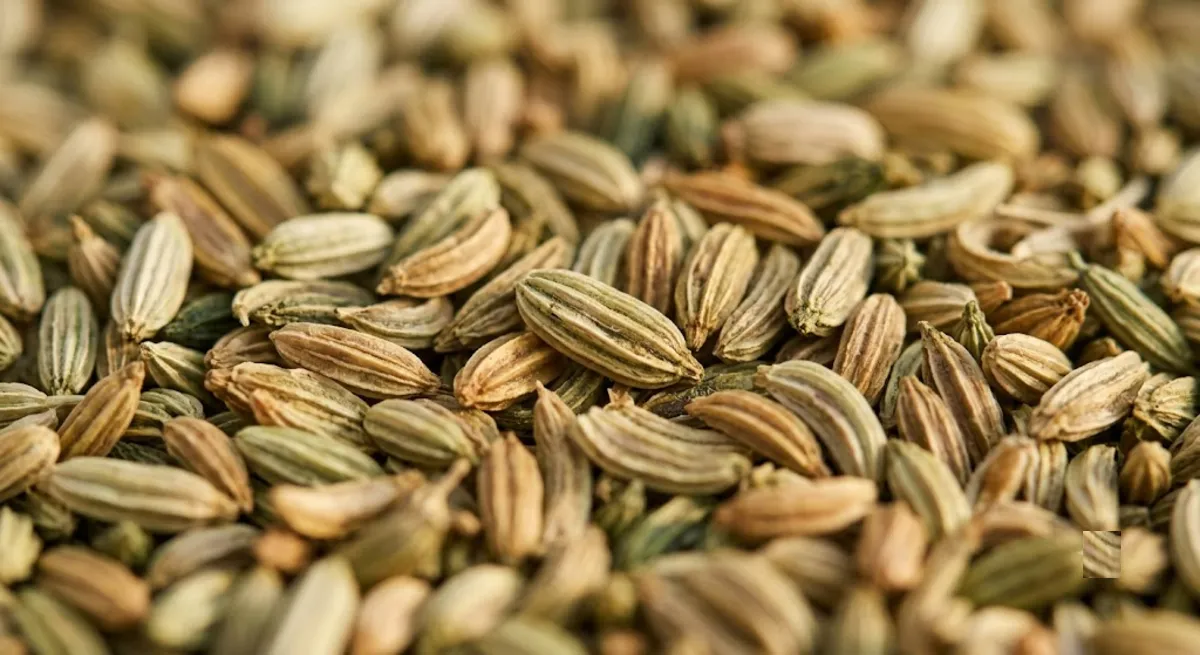
Traditional mukhwas is built from a small group of aromatic seeds, then varied by region and household. Specifically, four roles get filled. Fennel seeds, or saunf, form the base of nearly every blend. Coriander seeds and split dhana dal add a crisp, savoury note. Similarly, sesame contributes toast and crunch. Ajwain and flax appear in blends leaning towards digestion, while cardamom and cinnamon carry the aroma.
Sweeter styles then layer on desiccated coconut, since sugar carries aroma, dried rose petals, gulkand, dried dates or sugar-coated fennel. In addition, premium blends add nuts and dry fruit. The core structure, however, rarely changes: aromatic seed, textural seed, sweetener, aroma.
Where modern blends diverge from traditional ones
Three additions separate most commercial mukhwas from the home-made version. First, synthetic colours produce those unnaturally bright greens, pinks and silvers. Second, heavy sugar coating turns a digestive habit into a confection. Third, and most significantly, areca nut appears in many mixes sold under the mouth-freshener label.
Pro tip: Colour is the fastest tell. Naturally roasted seeds land in a narrow band of browns, greens and creams. A blend that looks like confetti has been dyed, and dye is almost always covering older or lower-grade stock.
That third addition deserves a section of its own.
Mukhwas Benefits: What the Evidence Supports
The blend has been used as a digestive aid for centuries, and the traditional reasoning holds up better than most folk remedies. Chewing anything stimulates saliva, and saliva begins digestion in the mouth while rinsing away food particles. Consequently that mechanism is uncontroversial. The claims worth treating carefully are the ones about specific ingredients curing specific conditions.
Fennel is the most studied component. It has long been used as a carminative, meaning a herb traditionally taken to ease gas and bloating, and its characteristic sweetness comes from aromatic compounds including anethole. However, modern research on fennel remains limited and mostly small-scale. Traditional use is genuine. Clinical proof is thin.
Approached honestly, the case is straightforward. It replaces sugary mints and chewing gum with roasted seeds. Furthermore, it carries fibre and micronutrients rather than empty sweetness. It closes a meal with a ritual instead of a dessert. Those are real advantages, and none of them require exaggeration.
The bigger question is not what the blend adds, but what it might be hiding.
Why Supari-Free Mukhwas Matters More Than Flavour
Supari-free mukhwas is the single most important thing to check on a label, because areca nut is classified by the International Agency for Research on Cancer as a Group 1 human carcinogen. Specifically, Group 1 is the highest category, the same one used for tobacco and asbestos. Yet areca nut products are routinely marketed as mouth fresheners and positioned as the safe alternative to chewing tobacco.
The scale is not marginal. An IARC analysis published in October 2024 found that smokeless tobacco and areca nut caused more than 120,000 oral cancer cases worldwide in 2022, roughly one in three of all oral cancer cases. Indeed, India carried 83,400 of them. The underlying study appeared in The Lancet Oncology.
What most guides get wrong: tobacco-free is not supari-free
This is the distinction that costs people the most, and almost no mukhwas article makes it. “Tobacco-free” on a pan masala pouch is a true statement that tells you nothing useful about safety, because areca nut is classified as carcinogenic independently of tobacco. Consequently, removing the tobacco leaves the Group 1 ingredient exactly where it was.
Think of it like a bottle labelled caffeine-free that still contains alcohol. The claim on the front is accurate. It simply answers a question you were not asking. Supari-free is the claim that addresses the actual risk, and it is a different claim entirely.
Not sure what is in the jar on your table right now?
Every Mukhvas blend is made without supari, so the question never arises. See the full range.
Seven Types of Mukhwas in Indian Homes
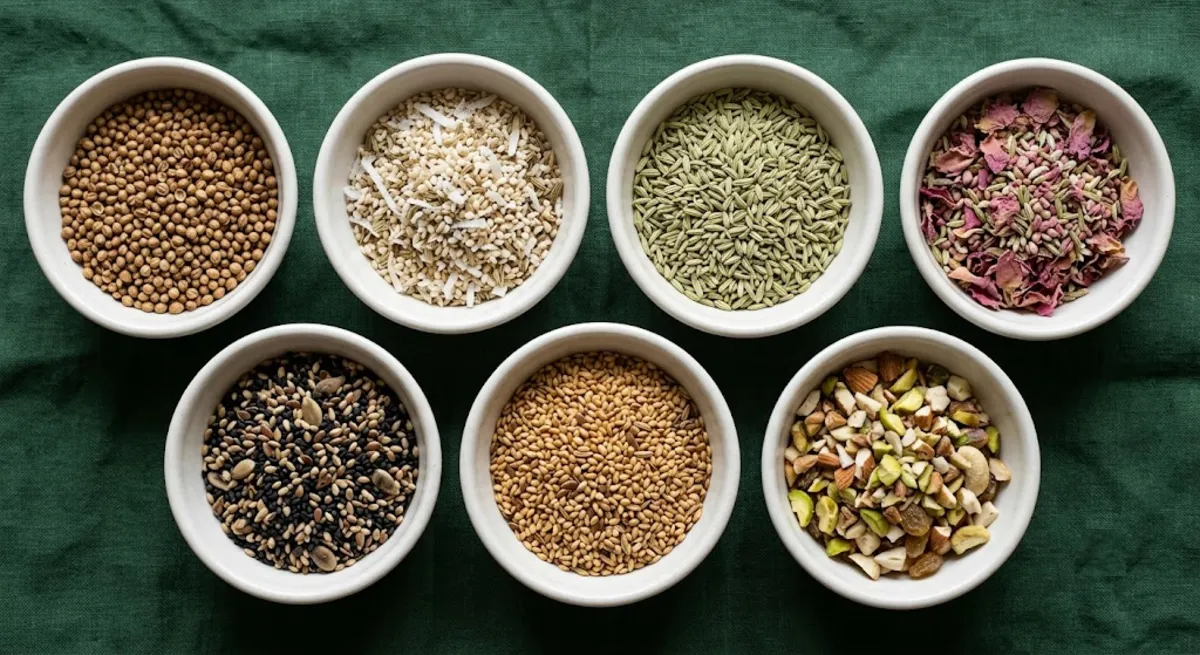
Recipes vary enormously by region, household and occasion. Understanding the main styles makes choosing far easier, because each one serves a different moment rather than simply tasting different.
- Gujarati mix: the everyday all-rounder, built on fennel, sesame, coriander and coconut. Mildly sweet, endlessly familiar.
- Roasted dhana dal: split coriander seed, plain and savoury. The entry point for anyone who dislikes sweetness.
- Meetha paan: the flavour hero, built around gulkand, rose and betel-leaf notes. Traditionally made with supari, though good versions omit it.
- Saunf blends: fennel forward, sometimes sugar-coated. The most widely recognised style in restaurants.
- Digestive mixes: ajwain and flax led, deliberately savoury, aimed at the after-heavy-meal moment.
- Protein and seed blends: a modern reinvention adding pumpkin, sunflower and melon seeds for nutritional density.
- Dry fruit and mewa: the gifting tier, with almonds, pistachio and cardamom. Built for weddings and festive hampers.
Nevertheless, knowing the styles is only half of it. Knowing how to judge quality within a style matters more.
How to Choose Mukhwas: The FRESH Test
After years of reading these labels, the same five checks keep separating good blends from bad ones. We call it the FRESH test, and it takes about thirty seconds at a shelf or on a product page.
- F — Free of supari. Scan for areca nut, betel nut or supari. If present, put it down.
- R — Read the colour. Natural roasting produces browns, greens and creams. Bright pinks, silvers and neon greens signal added colour.
- E — Examine the coating. A thick sugar shell means you are buying confectionery with seeds inside, not the reverse.
- S — Sealed and dated. Seeds go rancid. Look for an airtight pack, a packaging date and a realistic shelf life.
- H — Holder of an FSSAI licence. A visible licence number means a traceable, accountable food business.
Pro tip: Smell before you taste. A good blend smells distinctly of its own seeds. If the first note is perfume or sugar rather than fennel or sesame, the flavouring is doing work the ingredients cannot.
Once you have a jar worth keeping, storage decides how long it stays worth eating.
How to Store Mukhwas So It Stays Crisp
A seed blend fails in two ways: it goes soft, or it goes rancid. Both are moisture and air problems, and both are avoidable. Seeds carry natural oils, and those oils oxidise when exposed to warmth and light. Sesame and flax turn first, since their oil content is highest.
Therefore store the blend in an airtight glass or steel container, kept away from the stove and out of direct sunlight. Additionally, decant a small amount into your table jar and refill it weekly rather than leaving the full quantity open to the room. Never use a damp spoon.
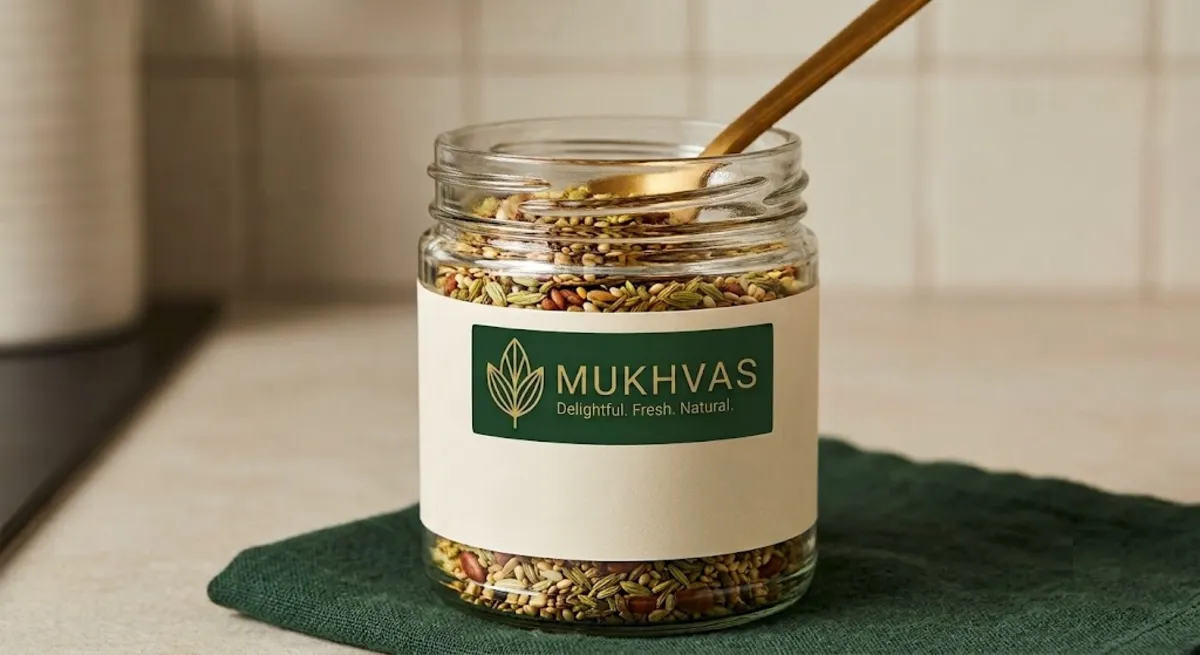
If the crunch has gone, a two-minute dry roast in a pan restores most of it. If the smell has turned sharp or bitter, however, the oils have oxidised and no amount of roasting will fix it.
Still reading labels and second-guessing what is in the jar?
Every blend we make in Surat is supari-free, uncoloured and listed ingredient by ingredient, so there is nothing to decode. Browse the full range or ask us anything on WhatsApp.
Frequently Asked Questions
What is mukhwas made of?
Fennel, sesame and coriander seeds form the base of most mukhwas, joined by ajwain, flax, cardamom and cinnamon. Sweeter blends add desiccated coconut, dried rose petals, gulkand or dates. Premium versions include almonds and pistachio. Recipes vary by region and household, but aromatic seeds always anchor the mixture.
Is mukhwas good for digestion?
Chewing stimulates saliva, which begins digestion in the mouth, and fennel has a long traditional use as a carminative for gas and bloating. However, modern clinical evidence remains limited. Treat it as a pleasant after-meal habit rather than a treatment, and see a doctor about persistent digestive symptoms.
What is the difference between mukhwas and pan masala?
Mukhwas is a blend of seeds, herbs and spices. Pan masala is built around areca nut, usually with slaked lime and catechu. The IARC classifies areca nut as a Group 1 carcinogen, so the two products carry entirely different risk profiles despite sharing shelf space and the mouth-freshener label.
Does mukhwas contain supari?
Some blends do and some do not, which is why the ingredient list matters. Supari, areca nut and betel nut are the same thing under different names. Traditional meetha paan mixes often include it, though supari-free versions exist. Always check the label rather than assuming a mouth freshener is areca-free.
Which mukhwas is right for me?
Match the blend to the moment. Savoury seed mixes with ajwain and flax suit heavy meals. Protein and seed blends work better for all-day snacking. Meetha paan styles suit guests and gifting. Whichever you choose, confirm it is supari-free, since that check matters more than flavour preference.
Is mukhwas safe to eat every day?
A supari-free, lightly sweetened seed blend is generally fine as a daily after-meal habit in small quantities. Watch the sugar coating, since heavily coated blends are closer to confectionery. Anyone with seed or nut allergies should read ingredients carefully, as sesame and tree nuts appear frequently.
How long does it stay fresh?
Most seed-based blends keep their crunch for three to four months in an airtight container away from heat and light. Coconut and dry-fruit blends last closer to eight weeks because their oil content is higher. A sharp or bitter smell means the oils have oxidised and the blend should be discarded.
When should I choose a home-made mukhwas over a store-bought brand?
Choose home-made whenever you want a short, readable ingredient list and no synthetic colour. Small-batch makers can tell you exactly what went into a blend and when it was packed, which mass production rarely offers. Our Surat-made blends are supari-free and listed in full.
Conclusion
Mukhwas is a blend of roasted seeds, herbs and spices eaten after meals to freshen the breath and close the meal comfortably. Therefore three things are worth carrying away. The tradition is genuine, and the digestive reasoning behind it holds up. The claims made for it should stay modest, because the clinical evidence is thin. Above all, the label matters more than the flavour, because areca nut still hides inside products sold as mouth fresheners. Read the ingredients before you buy the taste.
A jar you never have to second-guess
Handmade in small batches in Surat, supari-free by default, with every ingredient listed in plain language. Start with the everyday blends.
A one-page card with the five checks, so you can screen any blend in thirty seconds at the shop or on a product page.
Get it free →This article was last reviewed and updated in {{UPDATED}} to reflect the latest food safety guidance and ingredient research.